Choosing a CBD oil can feel simple until you compare bottle sizes, serving amounts, ingredients, and lab reports. This Purekana Cbd Oil Review looks at what shoppers should check in 2026 before deciding whether the product suits their needs. A dropper may look precise, but the amount of CBD per serving matters more than the bottle’s front label. So does the full ingredient list. Small details count.
This review focuses on verifiable information, including current product labels, available third-party test results, and clear guidance on use. Check that a lab report matches the product and batch you are considering. If that information is difficult to find, pause. A polished package is not proof of quality, and online reviews cannot predict how an individual will respond. CBD may also interact with medications, so people with health conditions or treatment plans should speak with a qualified healthcare professional before use. This is not medical advice. Product details can change, and I would not assume an older review reflects today’s formula. That uncertainty deserves attention, even if it makes a buying decision less tidy. The goal here is a practical, balanced assessment—not a promise of results—so readers can weigh the evidence, the cost, and their own questions before purchasing.
A CBD oil’s 2026 formulation should be judged by its label, not marketing language. Check the CBD amount per serving, carrier oil, and whether it uses isolate, broad-spectrum, or full-spectrum extract. These terms describe different extract profiles, but they do not prove consistent quality. A recent, batch-specific certificate of analysis should show cannabinoid levels and screening for contaminants. Without that document, the exact formulation remains unverified.
Safety evidence deserves equal attention. A 2021 randomized trial in JAMA Internal Medicine reported liver enzyme elevations in 7 of 16 adults taking 1,500 mg of CBD daily for four weeks; none occurred in the placebo group. That high dose is not directly comparable to typical retail servings. The National Academies’ 2017 evidence review found substantial evidence for cannabis in chronic pain, but that finding does not establish that a particular CBD oil works. Small but important distinction.
Tips: Compare the labeled CBD per serving with the lab report, and ask a clinician about possible medication interactions. Keep the bottle away from heat and direct sunlight. One weak point in many reviews: without current batch testing, claims about a 2026 formula cannot be confirmed.
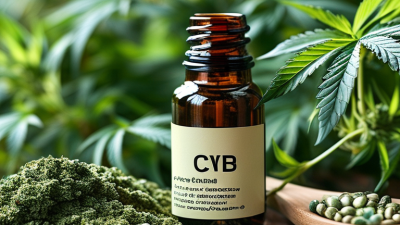
A careful CBD oil review begins with the ingredient panel. Many tinctures combine hemp extract with a carrier oil, such as MCT or olive oil. Check the full list for flavorings and other added ingredients, especially if you prefer a simple formula. Details matter. The label should state how much CBD is in the whole bottle and, ideally, per serving. A 30 mL bottle’s total milligrams alone can make comparisons confusing.
Hemp sourcing is another useful check. Look for a stated growing region, clear sourcing information, and a batch-specific certificate of analysis from an independent laboratory. The report should match the product and show measured cannabinoid content, plus screening for common contaminants. A certificate is helpful, but it is not a guarantee of quality by itself. Read the date and batch number.
Available potencies can vary, so compare the listed CBD per milliliter rather than relying only on bottle size. Lower concentrations may allow smaller, gradual serving adjustments; stronger ones put more CBD in each drop. That is practical, but not automatically better. Product pages do not always make these figures easy to find, and I would treat vague potency descriptions as a reason to pause. A tidy label helps, though it cannot answer every question.
These values are arithmetic conversions, not claims about any product’s available potencies: total CBD (mg) divided by 30 mL gives concentration in mg/mL. Check a product label and independent lab report for its actual CBD content, hemp source, and ingredients.
Third-party testing is meaningful only when the report matches the exact batch being reviewed. A useful certificate of analysis should identify the sample, test date, methods, and measured cannabinoid levels. It should also show screening for contaminants, such as heavy metals, pesticides, and microbes. Look for a laboratory’s ISO/IEC 17025 accreditation, then check whether its accredited scope covers the tests listed. A polished PDF alone proves little. Details matter.
Label accuracy deserves attention. A 2017 peer-reviewed study in JAMA tested 84 CBD products sold online: only 31% had CBD levels within 10% of the label claim; 43% contained more, and 26% contained less. This was a snapshot, not a verdict on today’s entire market. Still, it shows why batch-specific results matter. A report should let buyers compare the labeled amount with the measured amount, not just display a “pass.” I would also check whether the lab reports detection limits and explains failed results. That takes extra effort. And a clean test cannot establish product effectiveness or suitability for every person; it only describes what the lab measured in that sample.
Use the oil exactly as its label directs, and measure it with the supplied dropper rather than estimating by eye. If instructed to hold it under your tongue, use a timer for the stated interval before swallowing. Small details matter. Take it at a consistent time, and note the amount, timing, and any effects in a simple journal. Food may change how some people experience CBD, so keep meal timing similar when comparing days. Avoid increasing the amount quickly; benefits and side effects can be difficult to judge after one dose.
Check with a doctor or pharmacist before use if you take medication, have a health condition, or are pregnant or breastfeeding. CBD can interact with some medicines and may cause sleepiness, stomach upset, or changes in alertness. Do not drive until you know how it affects you. Look for a recent, batch-specific independent laboratory report that identifies CBD content and checks for contaminants. Keep the bottle away from children and pets. Expectations can run ahead of evidence; that is worth remembering. If you notice an unusual reaction, stop using it and seek medical advice.
In 2026, judging a CBD oil by its bottle price alone can be misleading. Compare the cost per milligram of CBD, then check how much each serving contains. A lower price may mean a weaker bottle. Look for a recent, batch-specific laboratory report that confirms potency and screens for contaminants. Read the ingredient list, too; carrier oils and flavorings can affect taste and suitability. Small details matter. If a seller makes sweeping health promises, treat those claims cautiously. Product labels cannot predict how an individual will respond.
Customer experiences often focus on taste, packaging, delivery, and how easy the dropper is to use. Reviews can offer useful clues, but they are personal accounts, not proof of effectiveness. Check whether comments mention the same issue repeatedly, and read the return policy before ordering. Is it worth buying? It may suit shoppers who find clear testing, straightforward serving information, and fair pricing in one product. Still, “good value” depends on the amount used and the quality of the documentation. I would not call any bottle a bargain without comparing those points. That takes a little effort. Anyone considering CBD alongside medication should ask a qualified healthcare professional first.
| Review Dimension | Reliable Data Point | What It Means for Buyers | 2026 Value Assessment |
|---|---|---|---|
| Price | Retail prices change by seller, bottle size, CBD concentration, promotions, and shipping. A current price cannot be confirmed without checking the live product listing. | Compare the listed price with the total CBD amount, rather than comparing bottle prices alone. | Use cost per milligram: price ÷ total milligrams of CBD. This supports a fair comparison, but does not establish product quality. |
| CBD Amount | Labels may state CBD per serving, per milliliter, and per bottle. These figures are not interchangeable. | Check the bottle’s total CBD content and serving instructions. Confirm that the arithmetic on the label is consistent. | Clear, consistent labeling is a basic value requirement; a larger bottle does not necessarily contain more CBD. |
| Independent Testing | A certificate of analysis (COA) can report cannabinoid content and, depending on the laboratory panel, contaminants. A useful COA should identify the tested batch or lot. | Match the lot number on the package to the COA, check the test date, and review which substances were tested. | Batch-matched, accessible testing improves transparency. It does not guarantee that a product will produce a particular effect. |
| Customer Experience | Individual experiences with CBD vary. Customer reviews are subjective and do not establish that a product is effective or suitable for a medical condition. | Look for detailed, recent reviews that discuss practical factors such as taste, packaging, and delivery. Treat health claims in reviews cautiously. | No verified, representative 2026 customer survey is provided here, so an average rating or customer-satisfaction score would be unsupported. |
| Safety and Interactions | CBD may cause side effects and can interact with some medicines. The U.S. FDA has approved a prescription cannabidiol medicine for specific seizure disorders; that approval does not apply to over-the-counter CBD oils. | Ask a healthcare professional before using CBD, particularly when taking medication, managing a health condition, or considering use during pregnancy or breastfeeding. | Safety guidance and transparent labeling matter as much as price. Do not use customer testimonials as a substitute for medical advice. |
| Regulatory Context | In the United States, the FDA has not approved CBD products sold as general-purpose oils to diagnose, treat, cure, or prevent diseases. | Be cautious of products advertised with promises to treat or cure specific illnesses. Rules can vary by location. | Claims that exceed the available regulatory status are a reason to seek more information before buying. |
| Overall Value | A reliable value judgment depends on current price, accurately stated CBD content, batch-specific testing, ingredient details, and the buyer’s needs. | Verify these details on the current package and seller listing before purchase; do not rely on an outdated price or unverified review score. | Worth considering only if the price is competitive on a cost-per-milligram basis, the label is clear, and a relevant batch COA is available. Otherwise, the value is difficult to verify. |
Data note: This table uses general consumer and regulatory information. It does not present a verified current product price, customer-review average, or brand-specific laboratory result.