Pharma CBD oil has surged in popularity in recent years, captivating the attention of health enthusiasts and researchers alike. This natural compound, derived from the cannabis plant, is renowned for its potential therapeutic benefits without the psychoactive effects commonly associated with THC. As more individuals explore alternative health solutions, understanding the advantages of Pharma CBD oil becomes increasingly essential.
Among its many benefits, Pharma CBD oil offers promising solutions for various health challenges, ranging from anxiety relief to pain management. Moreover, as scientific research continues to unfold, there is a growing body of evidence supporting its efficacy, making it a compelling option for those seeking natural remedies. This article aims to illuminate the top ten benefits of Pharma CBD oil, providing insights into how it can enhance overall well-being and improve quality of life.

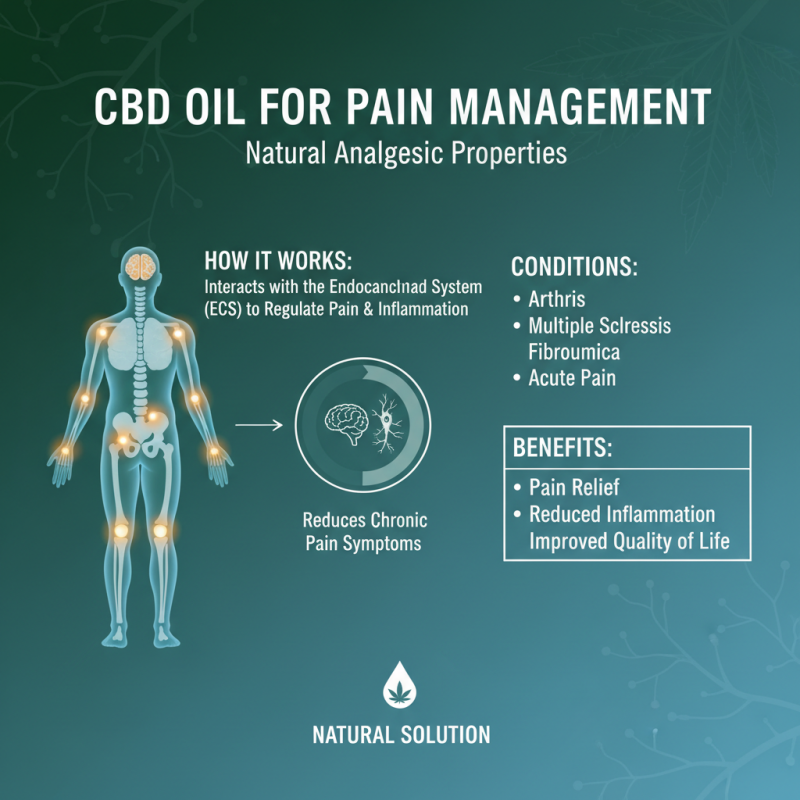
CBD oil has garnered significant attention in the realm of pain management due to its natural analgesic properties. Research indicates that cannabidiol interacts with the body's endocannabinoid system, which plays a crucial role in regulating pain and inflammation. This interaction can potentially reduce chronic pain symptoms, offering relief to those suffering from conditions such as arthritis, multiple sclerosis, and fibromyalgia. The ability of CBD to modulate inflammation also suggests it may be beneficial for acute pain conditions, helping to improve the overall quality of life for many.
Additionally, CBD oil is increasingly being recognized for its potential to alleviate anxiety and stress, which are often closely linked to chronic pain states. By minimizing anxiety levels and promoting relaxation, CBD can help create a more holistic approach to pain management. Patients may find that incorporating CBD oil into their routine not only addresses the physical aspects of pain but also enhances emotional wellbeing, making it a valuable tool in comprehensive pain management strategies. This dual benefit highlights the growing interest in CBD oil as a viable alternative to traditional pain relief methods.

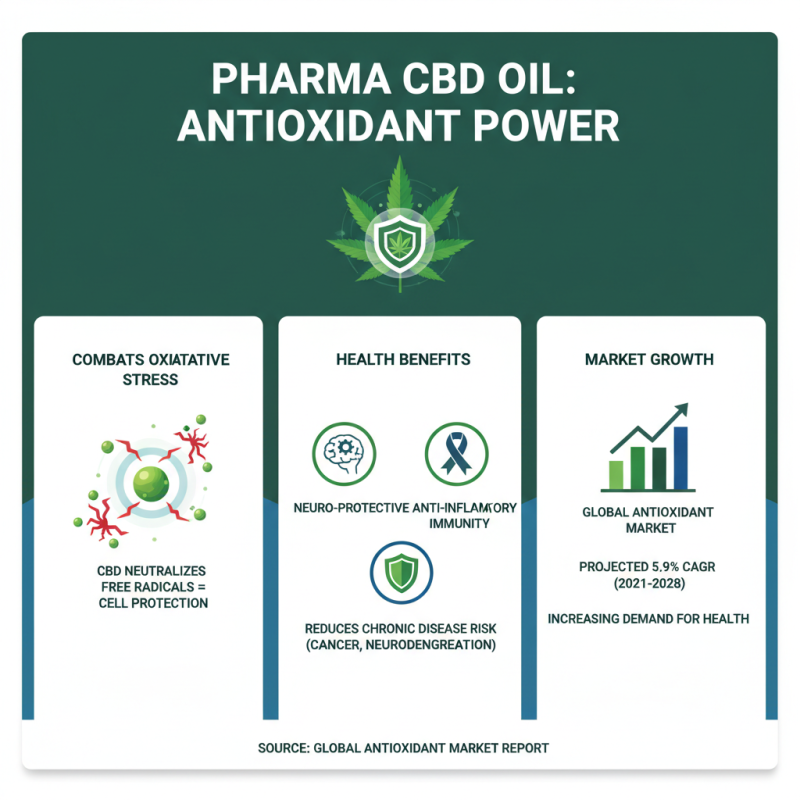
Pharma CBD oil, derived from hemp, has garnered attention due to its potent antioxidant properties, which play a significant role in promoting overall health. Antioxidants are crucial in combating oxidative stress, a major contributor to chronic diseases, including cancers and neurodegenerative disorders. A report from the Global Antioxidant Market indicates that the demand for antioxidants is projected to grow at a CAGR of 5.9% from 2021 to 2028, highlighting the increasing recognition of their health benefits. The unique phytochemical profile of CBD oil contains various compounds that can neutralize free radicals, which can damage cells and lead to inflammation.
Recent studies have shown that CBD oil exhibits antioxidant activity comparable to recognized antioxidants such as vitamins C and E. A 2022 study published in the Journal of Natural Products found that CBD's antioxidative effects were attributed to its ability to modulate oxidative stress markers, effectively reducing inflammation. Researchers observed that the incorporation of CBD oil in therapeutic regimens could enhance the body’s ability to manage oxidative damage, thus improving cellular health and longevity. This positions Pharma CBD oil not only as a potential treatment option for various health conditions but also as a preventive measure for maintaining optimal health through its antioxidant capabilities.
Recent studies have highlighted the potential of CBD oil in alleviating anxiety and stress, affirming its growing popularity in mental health management. According to a 2019 study published in the Journal of the American Medical Association, nearly 33% of participants who reported experiencing anxiety reported significant improvements after using CBD oil. This research indicates that CBD may interact with serotonin receptors in the brain, which plays a crucial role in regulating mood and social behavior. Further evidence from a review in the Journal of Psychopharmacology found that CBD significantly reduced anxiety levels in both animal and human trials, suggesting its effectiveness as a natural alternative for anxiety relief.
In addition, a systematic review published in Neurotherapeutics outlines that CBD oil not only reduces anxiety but also shows promise in managing stress-induced conditions. In controlled studies, subjects administered with CBD reported lower cortisol levels, which is often referred to as the “stress hormone.” The impact of CBD on cortisol regulation suggests that it may help individuals cope with stress more effectively, leading to improved overall mental well-being. These findings illuminate the necessity for further exploration into CBD oil's therapeutic properties, as they present a compelling case for its incorporation into holistic approaches for anxiety and stress management.
The chart above illustrates the efficacy scores of various benefits attributed to Pharma CBD oil based on recent research findings. Each benefit is rated on a scale from 1 to 10, reflecting its reported effectiveness in studies.
Recent clinical findings have highlighted the potential of CBD oil as a therapeutic agent in the treatment of epilepsy, a neurological disorder characterized by recurrent seizures. According to a report published in "Seizure," research indicates that CBD can reduce the frequency of seizures in patients with drug-resistant epilepsy. In particular, studies have shown that patients experienced a significant reduction in seizures—up to 50% in some cases—when administered CBD oil. This is particularly promising for conditions like Dravet syndrome and Lennox-Gastaut syndrome, where traditional antiepileptic medications have limited efficacy.
Furthermore, the mechanism by which CBD exerts its effects is an area of active research. The findings suggest that CBD interacts with the endocannabinoid system, which plays a critical role in regulating neuronal excitability and seizure activity. A meta-analysis published in "Epilepsia" found that 60% of patients with treatment-resistant epilepsy reported improved quality of life after using CBD oil, with minimal side effects reported. This aligns with growing interest in natural and alternative therapies among epilepsy patients and their families, highlighting CBD oil's potential as a safe and effective option.
| Benefit | Description | Clinical Findings | Potential Impact |
|---|---|---|---|
| Seizure Reduction | CBD has been shown to help reduce the frequency of seizures in epilepsy patients. | Clinical trials indicate a significant reduction in seizures among participants using CBD oil. | Improved quality of life for patients with epilepsy. |
| Neuroprotective Properties | CBD has antioxidant properties that may protect brain cells. | Studies suggest CBD can lower oxidative stress and promote neuroprotection. | Potential reduction in neurological disorders. |
| Anti-inflammatory Effects | CBD can reduce inflammation, benefiting various health conditions. | Clinical evidence supports CBD's role in reducing inflammatory markers. | Enhanced management of inflammatory diseases. |
| Anxiety Reduction | CBD may alleviate symptoms of anxiety and stress. | Studies show significant anxiolytic effects in patients taking CBD. | Improved mental health and reduced anxiety-related disorders. |
| Sleep Improvement | CBD may help regulate sleep patterns and improve sleep quality. | Clinical findings suggest improved sleep quality in users. | Better overall health and cognitive function. |
| Pain Relief | CBD has analgesic properties that may help in pain management. | Research indicates effective pain relief in various conditions. | Enhanced daily functionality for chronic pain sufferers. |
| Appetite Regulation | CBD may help regulate appetite and body weight. | Clinical findings suggest benefits in appetite control. | Improved nutrition and weight management. |
| Support for Mental Disorders | CBD may aid in the treatment of certain mental health conditions. | Evidence shows improvements in conditions like PTSD and depression. | Enhanced mental well-being and social functioning. |
| Heart Health | CBD has potential cardiovascular benefits. | Studies highlight CBD's effects on reducing blood pressure. | Potentially lower risks of heart disease. |
| Skin Health | CBD may benefit skin conditions such as acne and eczema. | Research shows promising results in reducing acne symptoms. | Improved skin appearance and health. |
CBD oil has gained significant attention in recent years, particularly for its potential benefits for skin health. Studies suggest that CBD possesses anti-inflammatory properties, which can be beneficial in treating a variety of skin conditions such as acne, psoriasis, and eczema. By reducing inflammation, CBD oil may help to alleviate redness and irritation while promoting a more balanced complexion. Its ability to regulate oil production in the skin further aids in preventing clogged pores and breakouts, making it an attractive option for those with oily or acne-prone skin.
Moreover, CBD oil is rich in antioxidants, which play a crucial role in protecting the skin from environmental stressors and free radical damage. These antioxidants can help maintain skin elasticity and reduce the appearance of fine lines and wrinkles. Additionally, its moisturizing properties can nourish the skin, making it more supple and resilient. As more dermatological studies explore the nuances of CBD oil, its reputation as a natural remedy for enhancing skin health continues to grow, offering a holistic approach to skincare without the harsh side effects often associated with traditional treatments.