Finding the right China supplier for global buyers requires more than a low quotation. “Best” should mean verifiable quality, transparent sourcing, consistent production, and responsible communication. Buyers searching for Zatural Cbd Oil should confirm whether a supplier is officially authorized to handle the brand or is offering a private-label alternative. This distinction matters.
A reliable supplier should provide clear batch records, ingredient specifications, and recent third-party laboratory reports. Those reports should identify cannabinoid content and screen for pesticides, heavy metals, solvents, and microbial contamination. Product labels should match the laboratory findings. They should also meet the requirements of the destination market. Rules differ widely. Do not assume one certificate works everywhere.
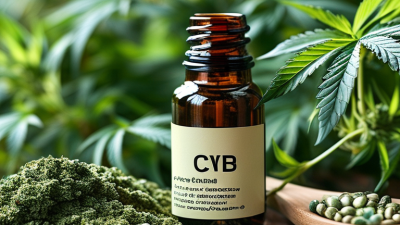
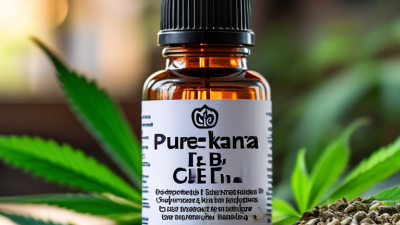
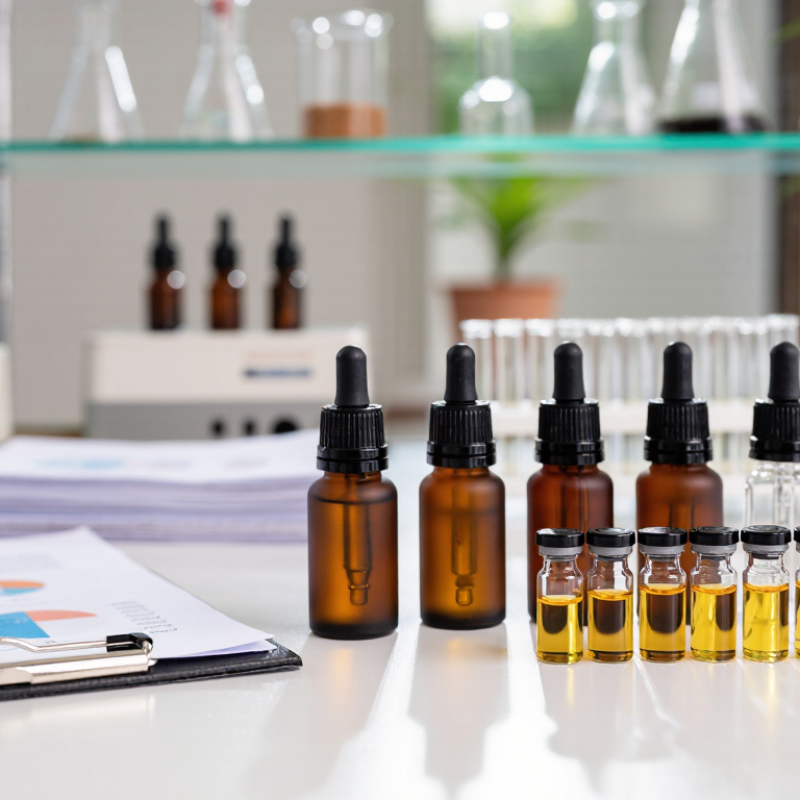
Practical experience also matters. Ask about extraction methods, packaging protection, sample approval, minimum order quantities, and shipping documents. A well-organized supplier can explain how amber bottles, sealed caps, and temperature-aware storage protect oil during transit. Small details reveal operational discipline.
That sounds simple. It is not.
Global buyers should compare several suppliers instead of trusting polished websites or dramatic claims. Factory audits, responsive documentation, and traceable communication create stronger confidence than promises alone. A supplier may offer attractive pricing yet lack stable testing procedures. That weakness can appear after the first shipment.
This guide examines how buyers can evaluate Chinese suppliers connected with Zatural Cbd Oil while respecting trademarks, product safety standards, and local regulations. The goal is not to name a winner without evidence. It is to build a careful purchasing framework based on experience, specialist review, and verifiable records. A cautious decision may take longer, but it usually prevents expensive surprises.
A reliable China CBD oil supplier for global buyers must prove consistency, not merely offer a low quotation. Grand View Research reported that the global cannabidiol market reached approximately USD 7.59 billion in 2023. Such growth attracts capable manufacturers and inexperienced traders. Buyers should verify the actual production site, responsible quality staff, and documented batch controls.
Ask for recent, batch-specific certificates of analysis from independent laboratories. These reports should identify cannabinoid content, pesticides, heavy metals, solvents, microbes, and residual contaminants. A clear chain of custody should connect the tested sample with the shipped lot. GMP-based procedures, calibrated equipment, stability records, and controlled filling areas provide stronger evidence than attractive packaging. ISO 9001 can support process management, but it does not replace product testing.
Regulatory evidence matters just as much. The World Health Organization’s Expert Committee on Drug Dependence noted that pure cannabidiol generally shows good tolerability, while product quality and composition still require careful control. Requirements differ across countries, especially for labeling, permitted ingredients, import documents, and cannabinoid limits. A dependable supplier supplies complete technical files and avoids promising automatic customs clearance. I would also request a small pilot order before a full contract. It may reveal slow communication or inconsistent viscosity. No certificate proves everything. Reports can be outdated, and buyers must check dates, laboratory accreditation, and product specifications independently. Grand View Research, Cannabidiol Market Size Report, 2024; WHO ECDD Critical Review Report.
| Reliability Dimension | What Global Buyers Should Verify | Practical Benchmark | Acceptable Evidence | Buyer Risk if Missing |
|---|---|---|---|---|
| Product Identity | CBD concentration, extract type, carrier oil, serving size, batch number, and net volume | All label values should match the product specification and laboratory report | Approved product specification, packaging artwork, batch record, and finished-product COA | Incorrect dosage information, relabeling delays, and customer complaints |
| Independent Testing | Whether testing is performed by a qualified laboratory independent from the manufacturer | Testing should cover cannabinoid potency, pesticides, heavy metals, residual solvents, microbes, and mycotoxins where applicable | Verifiable COA showing laboratory identity, test methods, sample number, test date, and batch number | Undetected contamination or inaccurate potency claims |
| Laboratory Competence | Whether the laboratory operates under a recognized quality-management and testing framework | Laboratory accreditation should be current and relevant to the reported test methods | Current accreditation certificate, scope of accreditation, and laboratory contact details | Reports may be difficult to defend during customs, audit, or regulatory review |
| THC Compliance | The applicable THC limit in the destination country, state, or sales channel | Do not rely on a universal limit; requirements vary by jurisdiction and product category | Batch-specific cannabinoid profile, destination-market legal review, and import documentation | Border seizure, failed testing, product recall, or restricted sale |
| Raw-Material Traceability | Origin, lot number, harvest or extraction date, storage conditions, and supplier records | Each finished batch should be traceable to its raw-material lots | Incoming-material records, lot-tracking documents, extraction records, and retention samples | Difficult root-cause investigation and inconsistent batch quality |
| Manufacturing Controls | Sanitation, process control, personnel training, allergen handling, and batch release procedures | Documented SOPs, deviation handling, corrective actions, and quality approval before shipment | Quality manual, audit report, SOP index, batch manufacturing record, and release checklist | Cross-contamination, production variation, and shipment delays |
| Formula and Ingredient Safety | Carrier oil, flavorings, preservatives, allergens, and any restricted or novel ingredients | Every ingredient should be disclosed and reviewed against destination-market rules | Full ingredient specification, allergen statement, safety data sheets, and stability information | Formula rejection, undeclared allergen exposure, or market-access problems |
| Packaging and Shelf Life | Light protection, closure integrity, tamper evidence, storage conditions, and expiry dating | Shelf-life claims should be supported by stability or real-time storage data | Packaging specification, compatibility test, stability report, and transport-condition guidance | Oxidation, leakage, potency loss, or damaged goods in transit |
| Export Documentation | Commercial invoice, packing list, product description, HS classification, origin documents, and required permits | Documents should be consistent with the label, invoice, shipment, and destination requirements | Pre-shipment document pack reviewed by the buyer’s customs broker or compliance adviser | Customs holds, incorrect duties, returned cargo, or clearance failure |
| Label and Marketing Claims | CBD content, serving directions, warnings, net quantity, importer details, and prohibited health claims | Claims must be reviewed for the exact destination market and sales channel | Market-specific label proof, claims review, and documented approval process | Advertising enforcement, relabeling costs, or listing removal |
| Order Consistency | Whether later batches maintain comparable potency, appearance, flavor, and contaminant results | Require batch-release testing and a defined acceptance specification for every shipment | Historical COAs, retained-sample policy, complaint records, and change-control procedure | Inconsistent customer experience and higher return rates |
| Communication and Service | Response time, technical knowledge, document accuracy, and escalation process | Written answers should be clear, consistent, and supported by controlled documents | Defined contact person, response-time commitment, sample approval process, and complaint procedure | Slow problem resolution and avoidable compliance errors |
| Pre-Shipment Verification | Whether the buyer can verify the actual batch before final payment or dispatch | Use approved samples, batch-specific documents, and an independent inspection when commercially justified | Signed quality agreement, pre-shipment inspection report, final COA, photos, and shipping approval record | Payment for goods that do not match the approved specification |
Note: CBD import, labeling, THC, health-claim, and novel-food requirements vary by destination market. Buyers should confirm current rules with the relevant authority or a qualified local compliance adviser before placing an order.